Strategy
•
What your website says about your business.
Your website is often the first impression someone has of your business. Here's how to make sure it says the right thing.
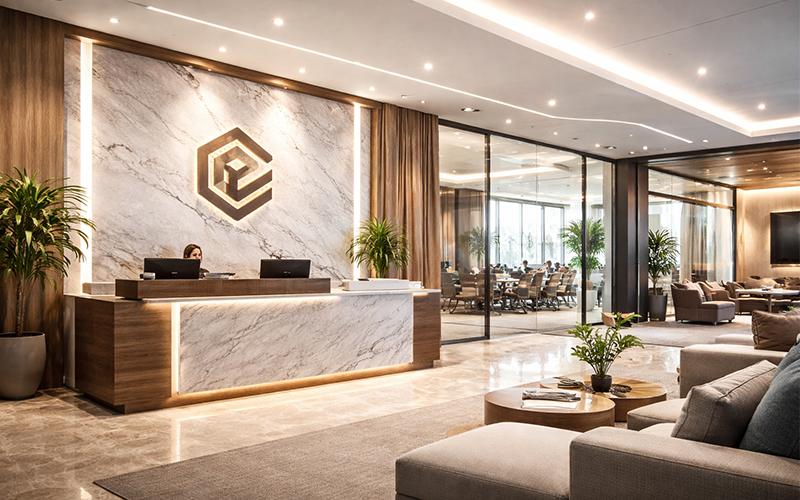
Before someone reads a single word about your services, they've already formed an impression — clean or cluttered, considered or careless, current or dated. That impression happens in seconds, and it colours everything that follows.
I think about this every time I start a new project. The brief is usually simple: "We just need a website that works." But a website doesn't just describe a business anymore. It represents it. It's the closest thing to walking into someone's office before they've said a word.
So the real question isn't "does this look nice."
It's: what is this saying about us, and is it the thing we actually want to say?
Every choice on a page is a statement, whether it's intentional or not.
The typeface says something about how considered you are.
The spacing says something about how much you value clarity.
The photos say something about how much care goes into what you do.
Most businesses never make these choices on purpose. They pick a template, add their logo, write some copy, and move on. The result usually isn't wrong — it's just generic. And generic sends its own message: this business is interchangeable with a dozen others.
That's the opposite of what most businesses actually want to communicate.
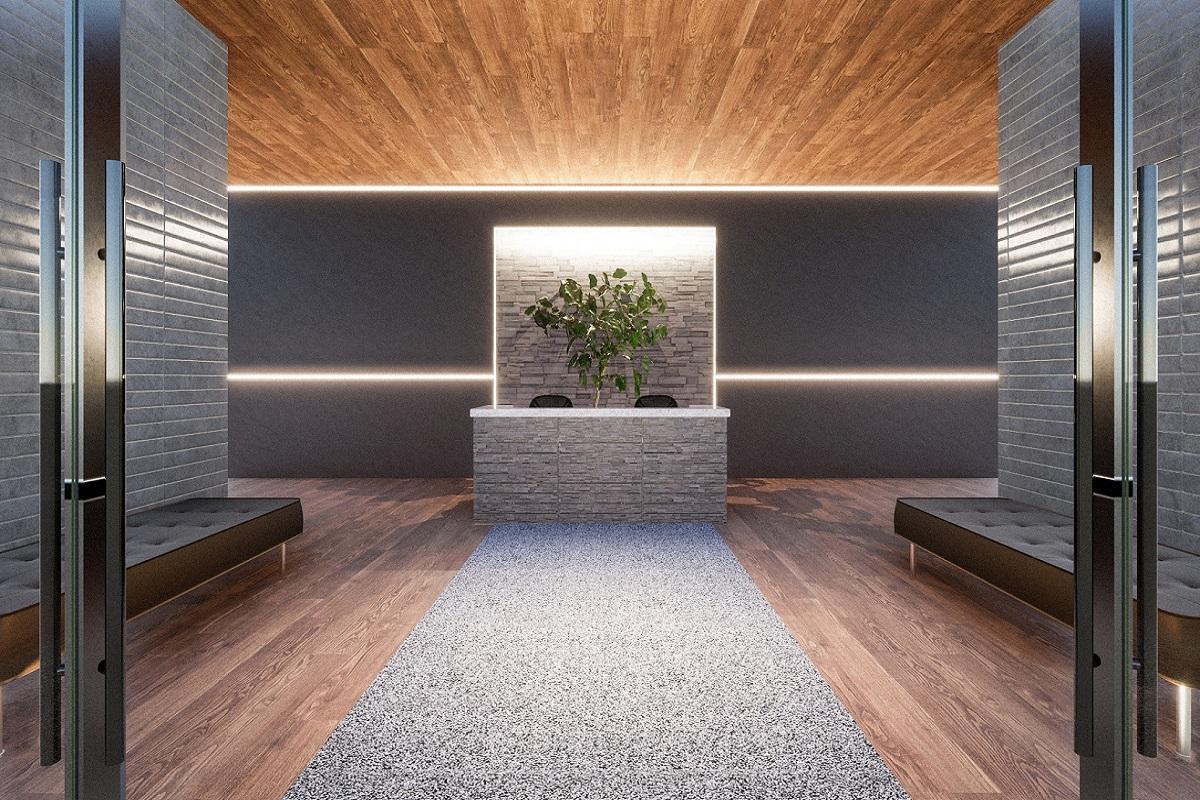
I ask new clients a version of the same question early on: if your website was a person walking into a room, how would they carry themselves? Confident but not loud. Warm but professional. Precise, understated, established. The answers are always different, and they should be — because your website should sound like you, not like "a website."
Once that's clear, design stops being decoration. It becomes translation.
A law firm that wants to feel discreet and trustworthy needs a very different visual language than a real estate brand that wants to feel aspirational and warm. Same fundamentals — hierarchy, spacing, typography — completely different execution.
This is also why I don't start with visuals. I start with a handful of questions that have nothing to do with design.
What I ask before I design
What do you want someone to feel in the first five seconds?
What do you want them to assume about you before they've read a word?
What's the one thing you never want your website to accidentally imply?
Those answers shape everything that follows — the colours, the type, the pacing, even the photography.
Because here's the uncomfortable truth: your website is making these statements right now, today, whether you've thought about them or not. It's telling visitors something about your prices, your professionalism, your attention to detail — and you don't get to control that message after the fact.
The only real control you have is upfront. In the decisions you make before it goes live.
So before your next redesign, or before you launch anything new, it's worth asking honestly: what is this actually saying about us? And is that the thing we want people to believe?
Continue reading
Let's connect
Ready when you are.